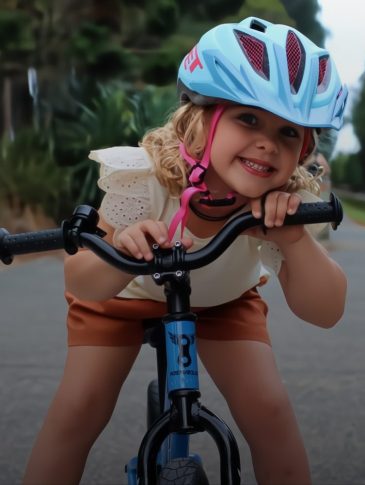
Child Bike Seats
Share The Adventure. Create Lasting Memories.
Explore premium Child Bike Seats designed to safely bring your little one along for every ride. Comfortable, secure and easy to use, our child bike seats help families enjoy more outdoor adventures together while giving parents peace of mind.
$20 Flat-Rate Shipping Australia-Wide • 30-Day Risk-Free Returns • Secure & Encrypted Checkout • Proudly Australian Family-Owned Business

Trusted and Loved by Hundreds of Happy Parents and Grandparents!
Child Bike Seats, Kids Bike Accessories
$179.95This product has multiple variants. The options may be chosen on the product page

Showing the single result
How to Choose a Child Bike Seat for Family Rides
The best child bike seat must suit three things at the same time: your child’s development and size, your bicycle’s mounting points and the type of riding your family plans to do.
Start with the seat manufacturer’s minimum readiness guidance and maximum weight and height limits. Then confirm that the exact seat and adapter are compatible with your bike. Age is only a guide and should never override the stated developmental or size requirements.
A securely fitted seat, correctly adjusted harness, protected feet and properly fitted helmets are all essential. The adult rider should also be confident controlling the extra weight before carrying a child.
Child Bike Seat Types Compared
| Seat Type | Position and Considerations |
|---|---|
| Front-mounted seat | Positions a smaller child between the rider and handlebars. Allows easy interaction but requires suitable stem space, steering clearance and strict size limits. |
| Rear frame-mounted seat | Mounts behind the adult and may suit bicycles without a compatible rear rack. Frame shape, cable routing and load approval must be checked. |
| Rear rack-mounted seat | Fits an approved compatible carrier. The rack must match the mounting system and be rated for the combined seat and child load. |
| Bike trailer | A separate towed option rather than a bicycle seat. Capacity, helmet and passenger rules vary, and the bicycle must be suitable for towing. |
When Is a Child Ready for a Baby Bike Seat?
A child must be able to sit upright unaided, hold their head up and remain stable for at least as long as the planned ride. Many front seats use approximately nine months as a guide, but children develop at different rates.
- Do not rely on age alone. Developmental readiness is essential even when the child falls within the published age range.
- Check every size limit. Stop using the seat when the child reaches the maximum age, weight or height—whichever comes first.
- Ask for professional advice if unsure. A child-health professional can help when there are questions about head control, posture or developmental readiness.
The Urban Iki Front Seat is intended for a child who can sit unaided, from approximately nine months to three years, with a maximum weight of 15kg and maximum height of approximately 93cm.
Front-Mounted vs Rear Child Bike Seats
Front-Mounted Child Bike Seats
A front seat keeps a younger passenger close and lets the adult see and speak with them easily. It can also affect knee clearance, steering space and the rider’s mounting position, so a compatibility check and practice ride are essential.
Rear Child Bike Seats
Rear seats commonly provide more room as children grow, depending on the model. The adult cannot see the passenger as directly, and the extra rear weight changes balance and lifting. Check the frame or carrier rating and the seat manufacturer’s fitting instructions.
Will a Front Child Bike Seat Fit Your Bicycle?
Not every child seat fits every bicycle. The Urban Iki standard front-seat mounting system uses a compact adapter around the bicycle stem. As a guide, the listed setup needs a compatible stem diameter of approximately 21–28mm and at least 19mm of clear mounting height.
- Check the stem: measure the diameter and available height rather than judging from a photograph.
- Check the steering: the Urban Iki instructions specify that the handlebars must still turn properly after installation.
- Check the bike approval: confirm the bicycle manufacturer permits a front child seat and the added load.
- Check special configurations: Ahead stems, internal cable routing and some mountain-bike-style setups may require another approved adapter.
If the measurements or adapter choice are uncertain, contact Xchange Sports with clear photographs of the stem and handlebar area before ordering.
Child Bike Seat Safety Checklist
Complete this check before every ride. Never place a child in the seat while the bicycle is supported only by a kickstand, and never leave a child unattended in a mounted seat.
- Inspect the adapter and mount. Confirm every fastener and locking point is secure.
- Fasten the harness. Adjust it snugly according to the instructions and check that it has not twisted.
- Secure both feet. Set the footrests to the correct height and fasten the foot straps.
- Protect moving parts. Clothing, shoelaces, straps, hands and feet must not reach wheels, spokes, brakes or the chain.
- Fit both helmets. The adult rider and child passenger need correctly fitted, securely fastened helmets that meet the applicable Australian requirements.
- Check the bicycle. Test the brakes, tyres, steering and lights before setting off.
Practise Before Riding with Your Child
A child seat changes the bicycle’s centre of gravity, steering response, braking distance and stability at low speed. Install the seat correctly and practise first without a child in a quiet, traffic-free area.
When ready, begin with a short, familiar route and allow extra space for starting, stopping and cornering. Avoid sudden movements, rough surfaces, kerbs, jumps and off-road trails.
The Urban Iki front-seat manual states that the seat is intended for everyday bicycle use, not mountain biking or racing, and must not be used above 25km/h.
Australian Helmet and Passenger Rules
Bicycle passengers must wear an approved, properly fitted and fastened helmet. The bicycle must also be designed and equipped to carry the additional passenger in an appropriate child seat.
Rules and permitted riding locations can vary between states and territories. Follow the seat manufacturer’s limits and check the current road rules that apply where your family rides.
Parents can review the practical passenger-seat guidance from
Better Health Victoria
and the current
Transport for NSW bicycle rules.
When to Stop Using or Replace a Child Bike Seat
- Child has outgrown it: stop when any published age, weight or height limit is reached.
- Seat has been involved in a crash: stop using it and follow the manufacturer’s inspection or replacement guidance.
- Parts are damaged: replace or obtain approved parts if the shell, harness, buckle, footrests, straps, adapter or fasteners are cracked, worn or missing.
- Mount no longer stays secure: stop riding until the cause has been professionally checked and corrected.
Clean the seat using the manufacturer’s instructions and check the fit regularly as your child grows. Avoid unapproved modifications or substitute fasteners.
Remove the child seat before transporting the bicycle on a vehicle-mounted bike carrier. Road vibration and wind loading can damage or loosen the seat and mounting system.
Shop Child Bike Seats at Xchange Sports Australia
The
Urban Iki Front Mount Baby Bike Seat
combines an adjustable five-point harness, adjustable footrests and a compact stem-mounted design for compatible bicycles.
Urban Iki states that its front seats are tested to European standard EN 14344 and independently tested and approved by TÜV. The current Xchange Sports model is available in four colour combinations and is designed for children up to 15kg or approximately 93cm who meet the developmental readiness requirements.
Browse the current
child bike seats range
and complete the setup with a properly fitted helmet, lights and other essentials from our
bike accessories collection.
In-stock orders leave our Sydney warehouse within two business days. Tracking is emailed after dispatch, and estimated delivery times are available in the
Shipping & Delivery Policy.
Frequently Asked Questions of Child Bike Seats
Looking For Adventure and Insider Tips?
Here you’ll find tons of ideas and inspiration to make bike riding or skating with your child, even more fun!
Why Choose Our Quality Products For Your Child?
How to Choose a Child Bike Seat for Family Rides
The best child bike seat must suit three things at the same time: your child’s development and size, your bicycle’s mounting points and the type of riding your family plans to do.
Start with the seat manufacturer’s minimum readiness guidance and maximum weight and height limits. Then confirm that the exact seat and adapter are compatible with your bike. Age is only a guide and should never override the stated developmental or size requirements.
A securely fitted seat, correctly adjusted harness, protected feet and properly fitted helmets are all essential. The adult rider should also be confident controlling the extra weight before carrying a child.
Child Bike Seat Types Compared
| Seat Type | Position and Considerations |
|---|---|
| Front-mounted seat | Positions a smaller child between the rider and handlebars. Allows easy interaction but requires suitable stem space, steering clearance and strict size limits. |
| Rear frame-mounted seat | Mounts behind the adult and may suit bicycles without a compatible rear rack. Frame shape, cable routing and load approval must be checked. |
| Rear rack-mounted seat | Fits an approved compatible carrier. The rack must match the mounting system and be rated for the combined seat and child load. |
| Bike trailer | A separate towed option rather than a bicycle seat. Capacity, helmet and passenger rules vary, and the bicycle must be suitable for towing. |
When Is a Child Ready for a Baby Bike Seat?
A child must be able to sit upright unaided, hold their head up and remain stable for at least as long as the planned ride. Many front seats use approximately nine months as a guide, but children develop at different rates.
- Do not rely on age alone. Developmental readiness is essential even when the child falls within the published age range.
- Check every size limit. Stop using the seat when the child reaches the maximum age, weight or height—whichever comes first.
- Ask for professional advice if unsure. A child-health professional can help when there are questions about head control, posture or developmental readiness.
The Urban Iki Front Seat is intended for a child who can sit unaided, from approximately nine months to three years, with a maximum weight of 15kg and maximum height of approximately 93cm.
Front-Mounted vs Rear Child Bike Seats
Front-Mounted Child Bike Seats
A front seat keeps a younger passenger close and lets the adult see and speak with them easily. It can also affect knee clearance, steering space and the rider’s mounting position, so a compatibility check and practice ride are essential.
Rear Child Bike Seats
Rear seats commonly provide more room as children grow, depending on the model. The adult cannot see the passenger as directly, and the extra rear weight changes balance and lifting. Check the frame or carrier rating and the seat manufacturer’s fitting instructions.
Will a Front Child Bike Seat Fit Your Bicycle?
Not every child seat fits every bicycle. The Urban Iki standard front-seat mounting system uses a compact adapter around the bicycle stem. As a guide, the listed setup needs a compatible stem diameter of approximately 21–28mm and at least 19mm of clear mounting height.
- Check the stem: measure the diameter and available height rather than judging from a photograph.
- Check the steering: the Urban Iki instructions specify that the handlebars must still turn properly after installation.
- Check the bike approval: confirm the bicycle manufacturer permits a front child seat and the added load.
- Check special configurations: Ahead stems, internal cable routing and some mountain-bike-style setups may require another approved adapter.
If the measurements or adapter choice are uncertain, contact Xchange Sports with clear photographs of the stem and handlebar area before ordering.
Child Bike Seat Safety Checklist
Complete this check before every ride. Never place a child in the seat while the bicycle is supported only by a kickstand, and never leave a child unattended in a mounted seat.
- Inspect the adapter and mount. Confirm every fastener and locking point is secure.
- Fasten the harness. Adjust it snugly according to the instructions and check that it has not twisted.
- Secure both feet. Set the footrests to the correct height and fasten the foot straps.
- Protect moving parts. Clothing, shoelaces, straps, hands and feet must not reach wheels, spokes, brakes or the chain.
- Fit both helmets. The adult rider and child passenger need correctly fitted, securely fastened helmets that meet the applicable Australian requirements.
- Check the bicycle. Test the brakes, tyres, steering and lights before setting off.
Practise Before Riding with Your Child
A child seat changes the bicycle’s centre of gravity, steering response, braking distance and stability at low speed. Install the seat correctly and practise first without a child in a quiet, traffic-free area.
When ready, begin with a short, familiar route and allow extra space for starting, stopping and cornering. Avoid sudden movements, rough surfaces, kerbs, jumps and off-road trails.
The Urban Iki front-seat manual states that the seat is intended for everyday bicycle use, not mountain biking or racing, and must not be used above 25km/h.
Australian Helmet and Passenger Rules
Bicycle passengers must wear an approved, properly fitted and fastened helmet. The bicycle must also be designed and equipped to carry the additional passenger in an appropriate child seat.
Rules and permitted riding locations can vary between states and territories. Follow the seat manufacturer’s limits and check the current road rules that apply where your family rides.
Parents can review the practical passenger-seat guidance from Better Health Victoria and the current Transport for NSW bicycle rules.
When to Stop Using or Replace a Child Bike Seat
- Child has outgrown it: stop when any published age, weight or height limit is reached.
- Seat has been involved in a crash: stop using it and follow the manufacturer’s inspection or replacement guidance.
- Parts are damaged: replace or obtain approved parts if the shell, harness, buckle, footrests, straps, adapter or fasteners are cracked, worn or missing.
- Mount no longer stays secure: stop riding until the cause has been professionally checked and corrected.
Clean the seat using the manufacturer’s instructions and check the fit regularly as your child grows. Avoid unapproved modifications or substitute fasteners.
Remove the child seat before transporting the bicycle on a vehicle-mounted bike carrier. Road vibration and wind loading can damage or loosen the seat and mounting system.
Shop Child Bike Seats at Xchange Sports Australia
The Urban Iki Front Mount Baby Bike Seat combines an adjustable five-point harness, adjustable footrests and a compact stem-mounted design for compatible bicycles.
Urban Iki states that its front seats are tested to European standard EN 14344 and independently tested and approved by TÜV. The current Xchange Sports model is available in four colour combinations and is designed for children up to 15kg or approximately 93cm who meet the developmental readiness requirements.
Browse the current child bike seats range and complete the setup with a properly fitted helmet, lights and other essentials from our bike accessories collection.
In-stock orders leave our Sydney warehouse within two business days. Tracking is emailed after dispatch, and estimated delivery times are available in the Shipping & Delivery Policy.